Tequila and mezcal both come from the agave plant. That is where the simple version ends. Understanding the difference — and what each one is best for — will change how you stock a bar, plan a tasting, or order at a restaurant.
The plant
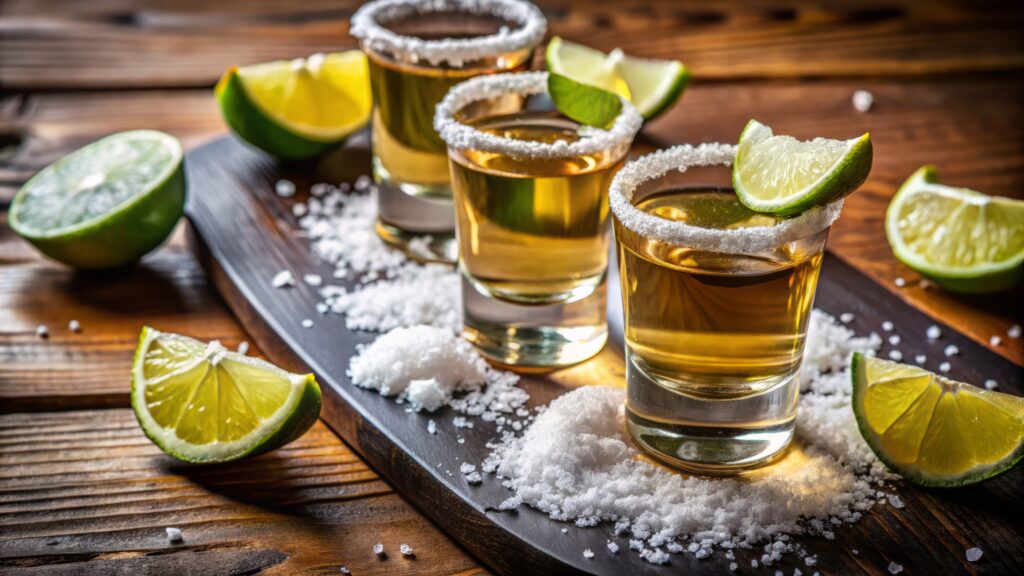
Tequila can only be made from one agave: blue Weber. By law it must be produced in five Mexican states, primarily Jalisco. The blue Weber is industrially farmed, harvested young (6 to 8 years), and the resulting spirit tends to be cleaner, more uniform, and more approachable.
Mezcal can be made from dozens of agave species — espadín is the most common, but tobalá, tepeztate, madrecuixe, and arroqueño appear in artisanal bottles. Many wild-harvested agaves take 15 to 25 years to mature. The variety is the point.
The production
Tequila is usually produced in modern facilities. Agave hearts (piñas) are steamed in autoclaves, fermented quickly, and distilled in stainless-steel columns. It is efficient and consistent.
Mezcal is traditionally roasted in underground pit ovens lined with stones and wood — which is where the smoke comes from. The piñas are then crushed by a stone wheel (tahona) or by hand, fermented in open-air wooden vats, and distilled in copper or even clay pots. The process can take weeks.
How they taste
Tequila tends toward citrus, pepper, and green grass, with aging shifting toward caramel and vanilla.
Mezcal tends toward smoke (always), with the agave species driving everything else — earthy, mineral, herbal, tropical, or floral depending on the bottle. Two mezcals can taste like they came from different categories.
How to choose for your event or bar
- Cocktails: Tequila is more cocktail-friendly. Blanco tequila is the right call for margaritas and palomas; reposado works for stirred drinks.
- Sipping: Most añejo and reposado tequilas are designed to be sipped neat. Quality mezcal is almost always meant to be sipped.
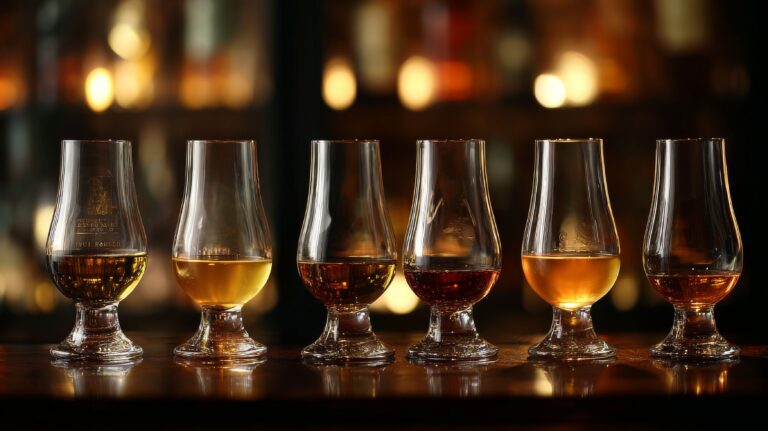
- A tasting experience: Mezcal is by far the more educational tasting category — you can run one tasting through five different agave species.
- Pairing: Mezcal is remarkable with chocolate, aged cheese, and Oaxacan food. Tequila pairs more obviously with citrus and lighter dishes.
The takeaway
Tequila is the easier introduction. Mezcal is the deeper rabbit hole. Most great agave bars carry both — and use them for different jobs.
If you want to design an agave tasting for guests, friends, or a corporate event, that is what we do at All Spirits Events. Contact us to plan yours.